

Manufacturing
Workforce mobility in manufacturing reflects the complexity of the industry itself: distributed operations, specialized talent, changing supply chains, and continuous investment across facilities, markets, and functions. The best programs are designed to flex with the business without creating unnecessary friction for employees or internal teams.
What Makes Relocation Difficult in Manufacturing?
Relocations for Manufacturing are often tied to operational deadlines, inflexible hiring timelines. A delayed move can affect a plant launch, expansion, leadership transition, or production ramp-up.
Hard-to-Fill Roles
Housing supply may be limited near facilities located outside major metros. Technical hires may hesitate to relocate without strong local support. Policy exceptions increase when local realities conflict with standardized benefits. Large expansion phases can suddenly multiply relocation volume. Operational leaders end up pulled into relocation issues they never planned to manage.
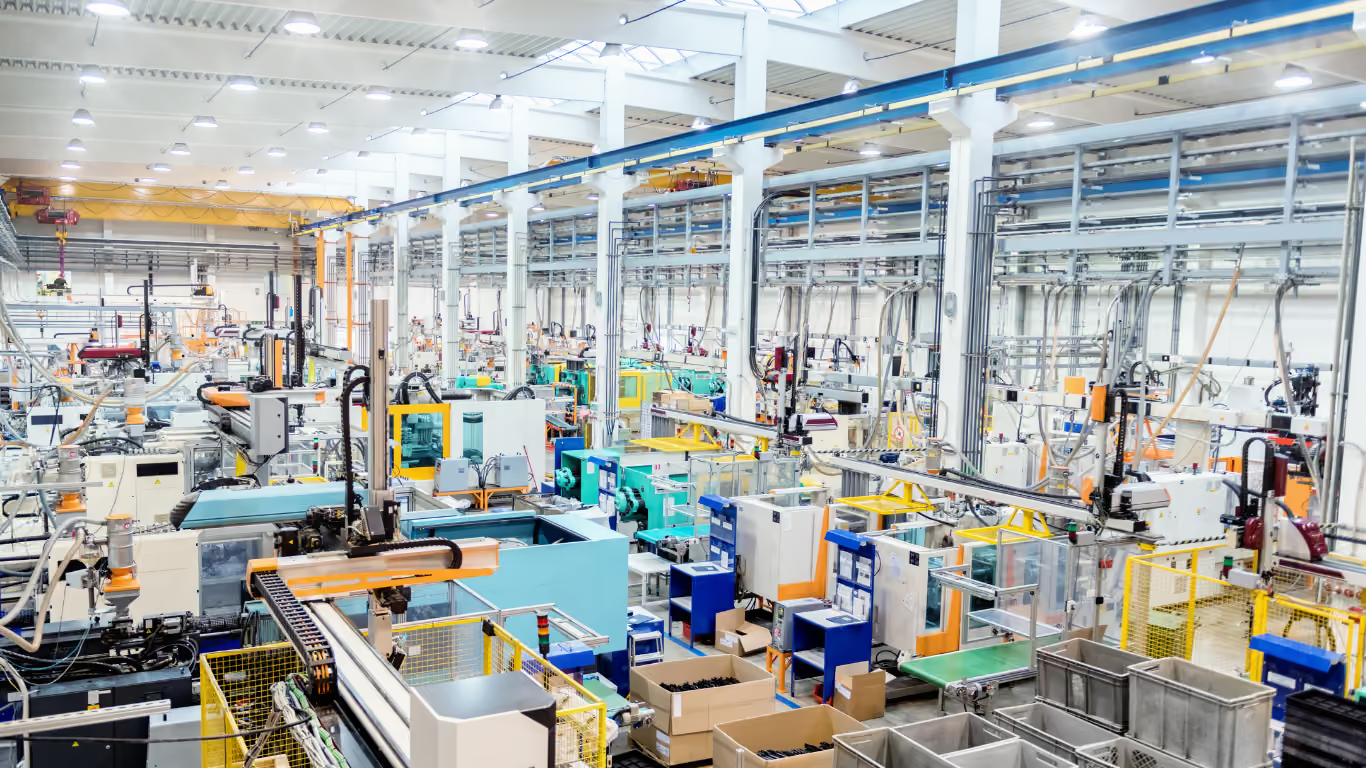

Operational Deadlines, Inflexible Hiring
Manufacturing mobility programs operate under real pressure: moves must happen quickly, coordination must hold, and disruption has to stay contained.
Learn More >A Really Impressive Cool Tool or Fact
In practice, manufacturing mobility succeeds through disciplined coordination.
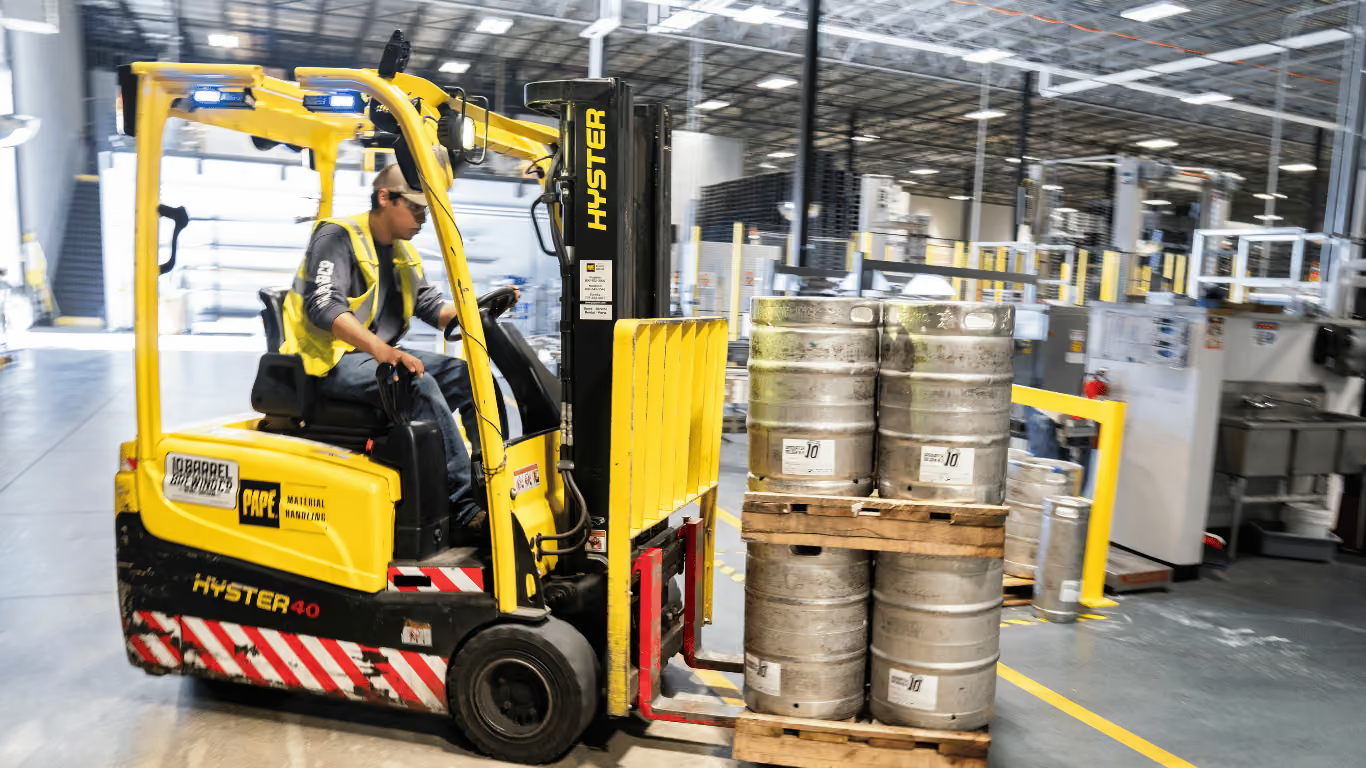

The Cost of Relocation
How These Problems Actually Get Managed
In practice, manufacturing mobility succeeds through disciplined coordination.
We identify local housing constraints early so relocation timelines remain realistic. Supplier reliability matters more in secondary markets than in major metros. Exception patterns need to be monitored so policy does not drift under pressure. We monitor exception patterns so policies don't drift under pressure. We maintain tight communication between operations, HR, and relocation teams during expansion cycles.
This is where visibility, experience, and dependable partner execution matter. Not because they eliminate problems—but because they allow organizations to spot issues earlier, adjust quickly, and keep relocation aligned with operational priorities.